Description
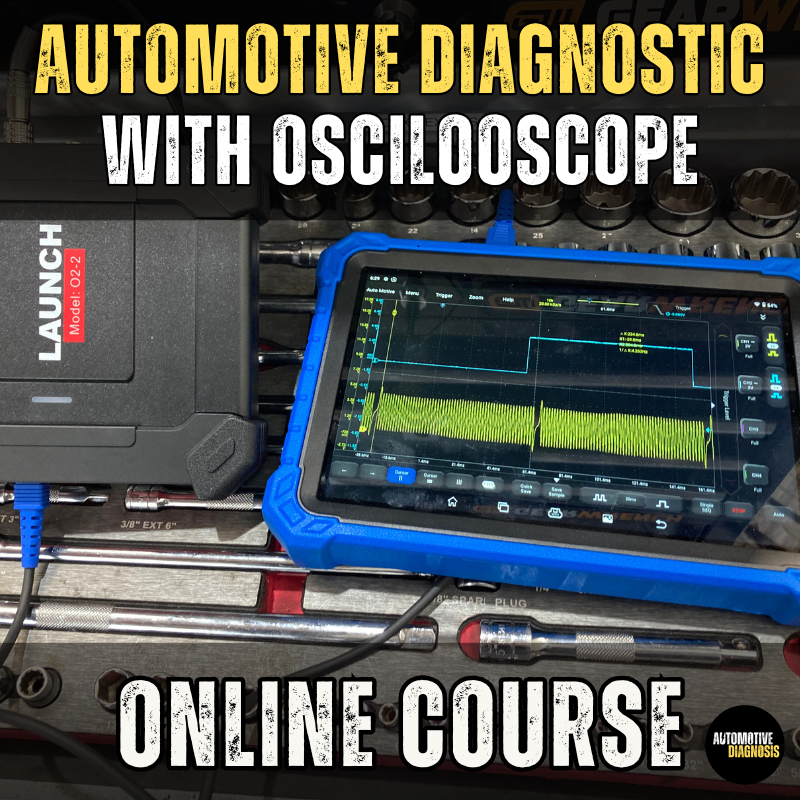
This course covers everything about using an oscilloscope for automotive diagnostics.
We started by explaining how to set up the oscilloscope on the car and how to adjust the set ups. Then we go for read and analyzing the waveform on multiple systems and components. In each step, we provide additional information, including the wiring diagrams too, as this will help for a better understanding of what we will do. Here are the list of the waveforms that we have covered in this course:
How to set up the oscilloscope
How to read and analyze the waveform on ignition coils (Coil on plugs with two pins)
How to read and analyze the waveform on ignition coils (Coil on plugs with Three pins)
How to read and analyze the waveform on ignition coils (Coil on plugs with Four pins)
How to read and analyze the waveform on Camshaft Position Sensor
How to read and analyze the waveform on Crankshaft Position Sensor
How to read and analyze the waveform on Camshaft / Crankshaft Position Sensors (For Engine Timing)
How to read and analyze the waveform on PWM Accelerator Pedal Sensor
How to read and analyze the waveform on High-Speed CAN-Bus
How to read and analyze the waveform on Low-Speed CAN-Bus
How to read and analyze the waveform on LIN-Bus
How to read and analyze the waveform on LIN-Controlled Alternator
How to read and analyze the waveform on K-Line
How to read and analyze the waveform on Port Injectors (Voltage & Current Waveforms)
How to read and analyze the waveform on GDI Injectors (Voltage & Current Waveforms)
GDI Fuel Pressure Control Valve Waveform Analysis
Variable Valve Timing Solenoid Waveform Analysis
Relative Compression Pressure Test
Battery, Cranking and Charging System
We have Used Launch Oscilloscope on this course, but all steps for setting up the oscilloscope, readding the waveforms and analyzing them is very similar in other oscilloscopes too.